
A-03.D · Remodeling
Remodels that
need a permit.
There is a real line between work a handyman can do and work that requires a licensed general contractor. Moving a wall crosses it.
The remodels
we take on
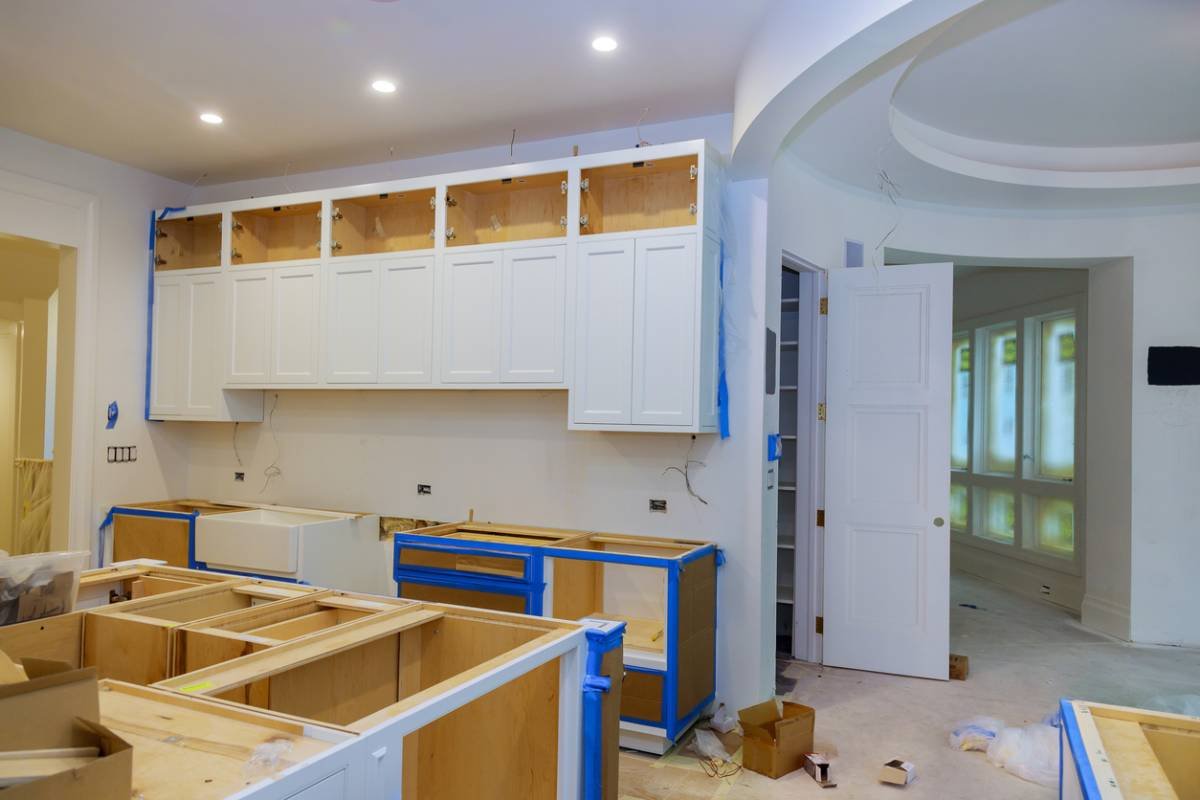
We work on remodels with a structural or permitted component: kitchens where walls move, bathrooms where plumbing relocates, additions that tie into existing framing, and whole-home renovations where several trades run at once.
That focus is deliberate. Cosmetic refreshes — paint, new fixtures in existing locations, flooring on a sound subfloor — do not need a Class B general contractor, and we will say so rather than quote you for one.
What we bring is the ability to open a wall and know what to do with what is behind it. Load paths, existing electrical that predates current code, plumbing that was reconfigured by somebody's uncle in 1988. Older Inland Empire housing stock is full of it.
Where remodels
go wrong
Four failure modes, and how the contract prevents each one.
- 01
Unpermitted structural work
Removing or altering a load-bearing wall without a permit and an engineered detail is dangerous and shows up at resale as an unpermitted-work disclosure. Permitted work protects you twice.
- 02
Discovery after demolition
Old wiring, failed plumbing, termite or water damage, non-code framing. It gets found once the wall is open. We build a contingency into the estimate and price any discovery as a written change order before proceeding.
- 03
Trade sequencing
A remodel with electrical, plumbing, mechanical and finish all in play fails on scheduling more often than on workmanship. One general contractor coordinating the sequence is the entire point of the Class B license.
- 04
Living through it
Most clients stay in the house. Dust control, water and power shutoff timing, and which rooms stay usable get agreed at the start rather than negotiated daily while you are trying to get to work.
Common questions
A-03.D.4 · Free, no obligation
Get a real number
in writing
Site visit within 48 hours, itemized estimate after. No deposit, no pressure, and no salesperson — you'll be talking to the people who'll do the work.